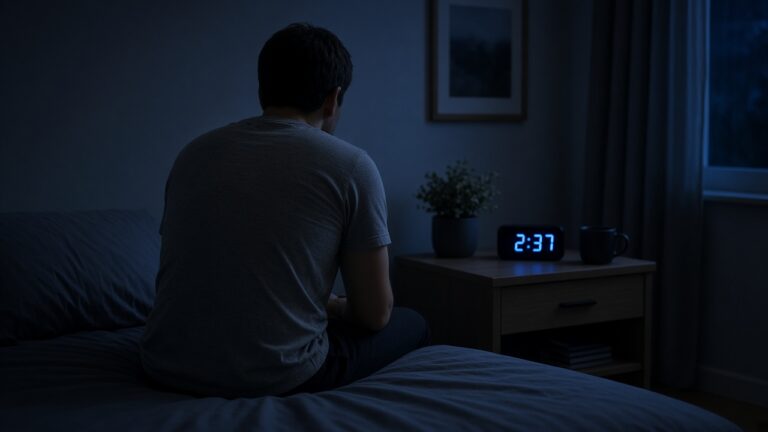
Life revolves around digital screens, with many people spending 8-12 hours daily looking at computers, phones, tablets, and televisions. The healthcare providers at Innovative Health and Wellness Group recognize that this unprecedented level of screen exposure creates significant health challenges that extend far beyond simple eye strain, affecting sleep quality, posture, mental health, and overall physical well-being.
Keep this in mind:
- Screen time stress is cumulative—eyes, neck, sleep, and attention share the load.
- Blue-light hacks fail if bedtime scrolling still steals sleep hours.
- Kids and adults need different limits, but both need movement breaks.
- Ergonomics and outdoor light matter as much as “digital detox” slogans.
- If headaches, vertigo, or sleep collapse travel with screens, get a Dallas exam rather than only buying filters.
By Erin Van Veldhuizen · Published November 12, 2026 · Medically reviewed
How does screen time affect the visual system?
Digital Eye Strainaffects millions of people who spend extended periods focusing on screens. Symptoms include dry eyes, blurred vision, headaches, and difficulty focusing. The providers observe that screens reduce natural blinking rates, leading to insufficient eye lubrication and surface irritation. Additionally, the constant near-focus required for screen work can contribute to myopia progression and accommodation problems.
Blue Light Exposurefrom digital devices disrupts natural circadian rhythms by suppressing melatonin production. This high-energy visible light penetrates deeply into the eye and signals the brain to remain alert, making it difficult to fall asleep and achieve restorative rest. The clinic’s providers note that evening screen exposure can delay sleep onset by several hours.
Retinal Stressoccurs when eyes are exposed to intense, artificial light for prolonged periods. While research continues to explore long-term effects, the cumulative impact of excessive blue light exposure may contribute to age-related macular degeneration and other retinal conditions over time.
How does screen time affect posture and muscles?
Tech Neck Syndromedevelops from prolonged forward head positioning while looking at screens. This posture places excessive strain on cervical vertebrae, neck muscles, and supporting structures. The healthcare team frequently observes increased cervical spine curvature loss, muscle tension, and nerve compression symptoms in patients with high screen usage.
Shoulder and Upper Back Dysfunctionresult from hunched positioning over devices. Rounded shoulders, elevated shoulder blades, and thoracic kyphosis create muscle imbalances that contribute to chronic pain, restricted breathing, and reduced mobility. These postural changes often persist even when not using screens.
Repetitive Strain Injuriesaffect hands, wrists, and forearms from prolonged typing, scrolling, and device manipulation. Carpal tunnel syndrome, tendinitis, and trigger finger have become increasingly common as screen-based activities dominate daily routines.
How does screen time affect focus and the brain?
Attention and Focus Disruptionoccurs as constant screen stimulation affects the brain’s ability to maintain sustained attention on single tasks. The providers note that frequent task-switching between applications and notifications can reduce cognitive performance and increase mental fatigue.
Sleep Architecture Changesresult from screen exposure, particularly in the evening hours. Blue light suppression of melatonin not only delays sleep onset but also reduces deep sleep phases crucial for physical recovery and memory consolidation.
Dopamine Dysregulationdevelops as frequent screen-based rewards and stimulation alter natural reward pathways. This can contribute to addictive behaviors, reduced satisfaction with offline activities, and mood fluctuations when screen access is limited.
What strategies make screen time healthier?
The 20-20-20 Rulehelps reduce eye strain by encouraging users to look at something 20 feet away for 20 seconds every 20 minutes. This simple practice allows eye muscles to relax and refocus, reducing accommodation stress and improving comfort during extended screen work.
Ergonomic Optimizationinvolves adjusting screen height, distance, and lighting to support better posture and reduce strain. The healthcare team recommends positioning screens at eye level, maintaining arm’s length distance, and ensuring adequate ambient lighting to reduce contrast stress.
Blue Light Managementincludes using blue light filtering glasses, adjusting screen settings to warmer tones, and implementing digital sunset routines that reduce evening exposure. These strategies help preserve natural circadian rhythms and improve sleep quality.
Movement Integrationthroughout the day helps counteract the sedentary nature of screen work. Regular stretching, posture breaks, and targeted exercises can prevent or reverse many musculoskeletal problems associated with excessive screen time.
The healthcare providers at Innovative Health and Wellness Group emphasize that while screens are integral to modern life, mindful usage and protective strategies can significantly reduce their negative health impacts while maintaining productivity and connectivity. Reach out to our office to learn more.
What does a two-week screen reset include?
Pick three rules only: no phone in bed, a timer for posture breaks, and outdoor light within an hour of waking. Track headaches and sleep.
If those rules help, keep them. If device time symptoms stay loud, escalate to an exam rather than buying another gadget filter.
How do posture and vision feed each other?
A forward head posture changes how the visual system works at near distances. Eye strain then feeds more guarding. Treating only the monitor height or only the glasses often leaves half the loop intact.
A combined check—setup, breaks, and neck/eye findings—usually beats isolated tips from social media.
How can we help with screen-related strain in Dallas?
We look at visual demand, neck load, and nervous-system tolerance when device time symptoms outlast simple ergonomic fixes. Book an appointment in Dallas, or call (214) 295-9671. We are at 4001 McEwen Rd #100, Monday through Friday, 8 a.m. to 6 p.m.
Summary: screen time effects
| Piece | What it often means | Next step |
|---|---|---|
| Eye strain / dry eyes | Near-work overload | 20-20-20 + blink breaks |
| Neck/shoulder ache | Static posture | Move every 30–45 min |
| Late-night scrolling | Circadian delay | Phone out of bed zone |
| Attention feels shredded | Constant task switching | Batch notifications |
| Headache with screens | Visual + neck drivers | Clinical exam if persistent |
In summary
Excessive device time is less about morality and more about physiology: vision, posture, sleep timing, and attention.
Change the environment and the schedule; willpower lectures rarely stick.
Screen time
Straight answers to common questions.
01 How much screen time is too much? +
There is no single number for every job. Watch for sleep loss, pain, headaches, and attention crash as practical thresholds.
02 Do blue-light glasses fix everything? +
They may help some evening comfort, but they do not replace sleep timing, breaks, or ergonomics.
03 Can screens worsen dizziness? +
Visual motion and near-work demand can aggravate some vestibular or cervicogenic patterns. Persistent symptoms deserve exam.
04 What is a realistic workday rule? +
Stand or move each half hour, use larger text, and protect a real lunch away from the laptop when possible.
05 Should kids have zero screens? +
Age guidelines vary; the bigger wins are sleep protection, outdoor time, and co-viewing instead of endless autoplay.
06 When should I see a clinician? +
If headaches, vision changes, vertigo, or mood collapse track with screens and home changes fail.
07 Where can I get help for screen-related symptoms in Dallas? +
Innovative Health & Wellness Group is at 4001 McEwen Rd #100, Dallas, TX 75244. Book online, call (214) 295-9671 on weekday clinic hours (Mon–Fri 8 a.m.–6 p.m.), or use the contact page.
Screen-related symptoms sticking around in Dallas?
Bring a work/setup photo and a sleep + headache log.
A Practical Next Step
Bring a short timeline of symptoms and what you have already tried.
Book an appointment, or call (214) 295-9671.
Medical disclaimer: This article is for education. It is not a diagnosis or a treatment plan. It does not replace care from your own provider. Seek urgent care for severe, sudden, or rapidly worsening symptoms.
About the author
Dr. Erin Van Veldhuizen is a family nurse practitioner and doctor of chiropractic focused on environmental, integrative, regenerative, and functional medicine. She holds diplomates in functional neurology and clinical nutrition, with added training in women’s health, thermography, and gluten-related care. She founded Innovative Health and Wellness Group in Dallas to find root causes, not only to quiet symptoms.
Sources
- American Academy of Ophthalmology eye strain guidance.
- CDC sleep and screen timing resources.