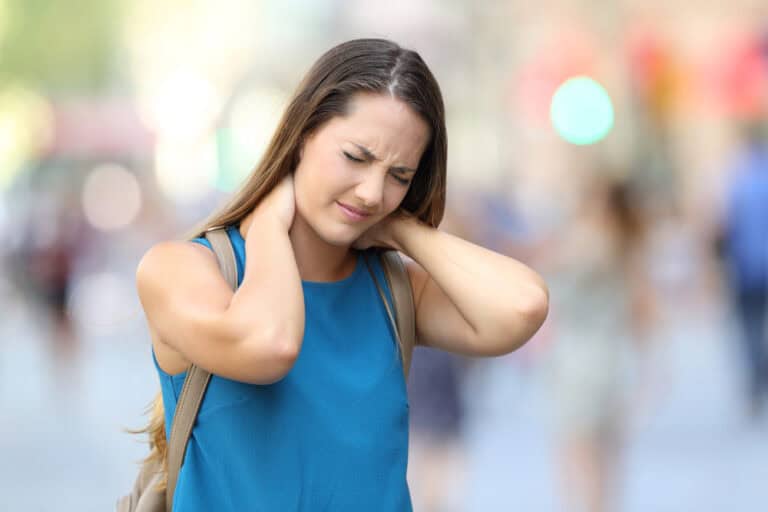
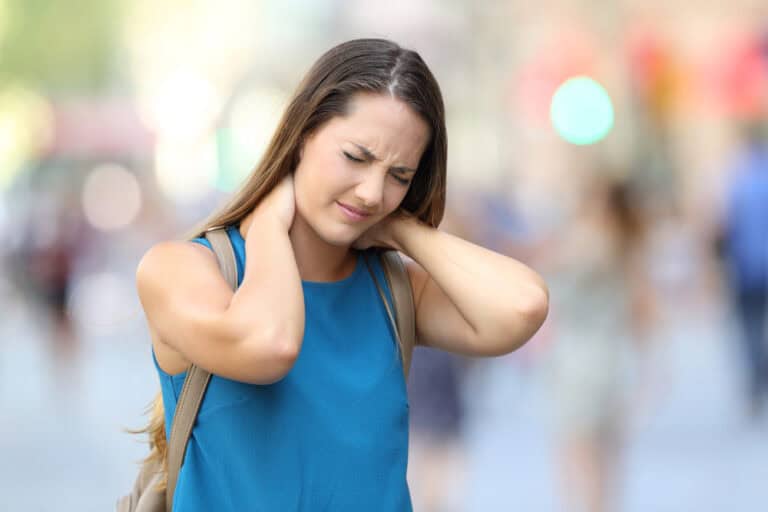
A concussion specialist helps families decide what to do after a sports hit when a child looks “off,” even without a knockout. Youth sports are part of life in Dallas. So is the hard question on the sideline: sit the child out, or send them back in? A concussion is a brain injury. It is not something to shake off between plays.
Keep this in mind:
- A concussion is a type of traumatic brain injury, even when imaging looks normal.
- Same-day return to play is not safe when a concussion is suspected.
- Symptoms can start later the same day, the next day, or much later.
- Emergency care comes first when red flags appear.
- At Innovative Health & Wellness Group, youth concussion follow-up sits beside functional neurology care.
By Erin Van Veldhuizen · Published September 25, 2026 · Medically reviewed

The CDC is direct on this. A concussion is a type of traumatic brain injury. A child with a concussion needs to be seen by a health care provider. This guide focuses on children and youth athletes. A separate guide will cover adults. It covers what to watch for after a sports hit, when to go to the emergency department, and how a concussion specialist in Dallas can help after emergency care.
Concussions are not only a football problem. They happen across youth sports, including soccer, basketball, volleyball, baseball, softball, gymnastics, and other contact or collision activities. Soccer can involve more concussions than football. Any sport with heading, collisions, falls, or hard body contact deserves the same careful response.
What happens in the brain after a hit?
A concussion can follow a blow to the head. It can also follow a hit to the body that snaps the head. The brain moves fast inside the skull. That motion can change how brain cells work. It can stretch those cells. You may not see blood. Imaging can look normal even when a concussion is present. The athlete can still have a real injury.
Symptoms can start right away. They can also show up hours later, the next day, weeks later, or even years later. That delay is why “the player said they were fine” is not enough. Concussion symptoms also do not always fade in a few weeks. For some children, symptoms can last for years and still need skilled follow-up.
Athletes should avoid activities that could cause another head injury while they are recovering. That is why same-day return to play is not safe when a concussion is suspected.
Need help after a youth sports hit in Dallas?
If your child was removed from play and still has headaches, foggy thinking, balance changes, or school trouble, a timely exam can clarify next steps.
We review the hit, current symptoms, school load, and whether emergency care is still needed first.
Book an appointment or call (469) 746-4662.
Is a concussion a traumatic brain injury?
Yes. A concussion is a form of mild traumatic brain injury. “Mild” describes one medical category. It does not mean the injury is minor to the child, the family, or the season.
People type this question because the words sound different. “Concussion” is the term used on the field. Traumatic brain injury is the broader medical term. Health care providers may use both terms. They are not two unrelated problems.
This post is about an impact injury in a child or youth athlete: a tackle, a collision, a fall, a heading challenge, or another sports hit. It is not about concussion-like symptoms with no hit. That is a different article on our site, including patterns discussed under chemical concussion language when there was no impact.
What concussion symptoms show up after a sports hit?
Watch for what you see and what the child reports.
You may see:
- A dazed or stunned look
- Confusion about the play or the score
- Clumsy movement or poor balance
- Personality or mood changes
- Loss of consciousness, even briefly
They may report:
- Headache or pressure in the head
- Nausea
- Dizziness
- Sensitivity to light or noise
- Foggy thinking or memory trouble
- Sleep that is off, too much or too little
- “I just do not feel right”
Do not use this list to diagnose at home. Use it to decide the next step. Keep watching after the game, the next day, and over the longer term if new symptoms appear.
When should you go to the emergency department?
Call 911 or go to the nearest emergency department after a head or body hit if you see danger signs. The CDC lists signs such as:
- A headache that gets worse and does not go away
- Repeated vomiting
- Seizures
- One pupil larger than the other
- Slurred speech, weakness, numbness, or much worse coordination
- Unusual confusion, restlessness, or not recognizing people or places
- Loss of consciousness, or you cannot wake them
This center does not replace the emergency department. If you are unsure and the child looks worse, choose emergency care first.
When should you see a concussion specialist?
If there are no red flags, still arrange a timely exam. Sit the athlete out of that game and that day’s practice. The CDC and sports safety groups agree: do not return the same day when a concussion is suspected.
See a concussion specialist when:
- There was a hit, and symptoms showed up then or later
- Schoolwork, sleep, or mood has changed since the game
- Balance, vision, or headaches are not settling
- Symptoms return later, even months or years after the injury
- This is not the first concussion
- A trainer or emergency visit said to follow up with a specialist
A concussion specialist in Dallas can be a nurse practitioner, a chiropractic provider, or another licensed provider with concussion training. The first priority is identifying whether emergency care is needed. After that, appropriate follow-up can support recovery. Return to learn and return to play should be stepwise. Clearance belongs to a qualified provider, not to a coach or a parent alone. For longer recovery paths, see our notes on concussion recovery and concussion supportive therapy.
What is the treatment for a concussion?
Emergency care comes first when red flags are present. After that, treatment is not a single product or a same-day clearance.
Typical next steps include:
- Protect the child from another head injury while symptoms are being evaluated
- Follow a provider-guided plan for rest, school support, and gradual return to activity
- Follow-up if headaches, dizziness, vision changes, foggy thinking, mood changes, or other symptoms linger or return later
- No return to contact until a qualified provider clears the athlete
At Innovative Health and Wellness Group, follow-up after emergency care can include functional neurology and concussion supportive therapy. Care is individualized. It may include targeted rehab, education, and a plan for school and sport.
How do we help youth athletes in Dallas?
At Innovative Health and Wellness Group, we see child and teen athletes after they have been removed from play and, when needed, after emergency care. We do not treat an emergency in the office. Adult concussion care will be covered in a separate post.
Our team looks at how the brain and body are working together: eye movements, balance, coordination, neck input, and recovery load. Sleep and other stressors do not replace the injury. They can still shape how the young athlete feels day to day.
Families work with a center that already sees children and teens across many sports, not only football. Youth seasons are long. Follow-up should not wait until playoffs, and it should not stop just because a few weeks have passed.
If you are ready to talk through next steps, call or text (469) 746-4662 or use our contact page to schedule.
Summary: youth concussion care at a glance
| Topic | Plain answer | Caveat |
|---|---|---|
| What it is | Mild TBI from head/body hit | "Mild" is not minor for the child |
| Same-day play | Sit out if concussion suspected | Feeling better at half-time is not clearance |
| Red flags | Worsening headache, vomiting, seizure, unequal pupils | ED / 911 first |
| Specialist timing | After sit-out; sooner if school/sleep/mood change | Not a substitute for emergency care |
| Clearance | Qualified provider only | Not coach or parent alone |
In summary
A concussion specialist helps families after a youth sports hit when symptoms, school changes, or delayed problems need more than a sideline check. Sit the athlete out. Watch for red flags. Get a proper evaluation.
Useful follow-up is stepwise for return to learn and return to play. Our Dallas team can help after emergency needs are ruled out or addressed.
Youth concussion questions
Straight answers for parents after a sports hit.
01 Is a concussion a traumatic brain injury? +
Yes. The CDC describes a concussion as a type of traumatic brain injury caused by a bump, blow, or jolt to the head, or by a hit to the body that moves the head and brain fast. “Mild” is a category label. It does not mean the injury is unimportant for a child athlete.
02 Can they play if they feel better at half-time? +
No. If a concussion is suspected, keep them out for the rest of that day. Feeling better for a few minutes is not clearance. Same-day return raises the risk of another hit before the brain has recovered enough.
03 How long do concussion symptoms last? +
They do not always go away in a few weeks. Symptoms can start right away, later the same day, days later, or even years later. For some children, symptoms can last for years. A qualified provider should guide follow-up, school support, and return to sport.
04 Are concussions only a football problem? +
No. Concussions happen across youth sports. Soccer can involve more concussions than football. Any child athlete in a sport with heading, collisions, falls, or hard contact deserves careful evaluation when a hit and symptoms appear.
05 Do you need a neurologist, or can another concussion specialist help? +
Emergency care comes first when red flags are present. After that, a concussion specialist in Dallas may be a neurologist or another licensed provider with concussion and brain-based rehab training. Ask about experience with children and youth athletes.
06 Where can families find concussion follow-up for youth sports in Dallas? +
Innovative Health & Wellness Group is at 4001 McEwen Rd #100, Dallas, TX 75244. Book online, call (469) 746-4662 on weekday clinic hours, or use the contact page. Bring the hit timeline, school changes, and any emergency notes.
Need youth concussion follow-up in Dallas?
Bring the hit timeline, school changes, and any emergency notes.
A Practical Next Step
A sports hit can injure a child’s brain even when the gear stayed on and the athlete walked off. Take the child out. Watch for red flags. Get a proper evaluation. Do not let the season decide the timeline, and do not assume that weeks alone will resolve every symptom.
Book an appointment at Innovative Health and Wellness Group in Dallas, or call (469) 746-4662. We are at 4001 McEwen Suite 100, Monday through Friday, 8 a.m. to 6 p.m.
Medical disclaimer: This article is for educational purposes. It is not a diagnosis, a clearance to play, or a substitute for emergency care. If red flags are present, call 911 or go to the emergency department.
About the author
Dr. Erin Van Veldhuizen is a family nurse practitioner and doctor of chiropractic focused on environmental, integrative, regenerative, and functional medicine. She holds diplomates in functional neurology and clinical nutrition, with added training in women’s health, thermography, and gluten-related care. She founded Innovative Health and Wellness Group in Dallas to find root causes, not only to quiet symptoms.
Sources
1. CDC HEADS UP. “Concussion Basics.” https://www.cdc.gov/heads-up/about/index.html
2. CDC HEADS UP. “Signs and Symptoms of Concussion.” https://www.cdc.gov/heads-up/signs-symptoms/index.html
3. CDC HEADS UP. “What to do After a Concussion.” https://www.cdc.gov/heads-up/guidelines/recovery-from-concussion.html
4. CDC HEADS UP. “Returning to School After a Concussion.” https://www.cdc.gov/heads-up/guidelines/returning-to-school.html
5. CDC HEADS UP. “Concussion Q and A: What Parents Need to Know.” https://www.cdc.gov/heads-up/media/pdfs/2024/07/concussion_qa-508.pdf
—