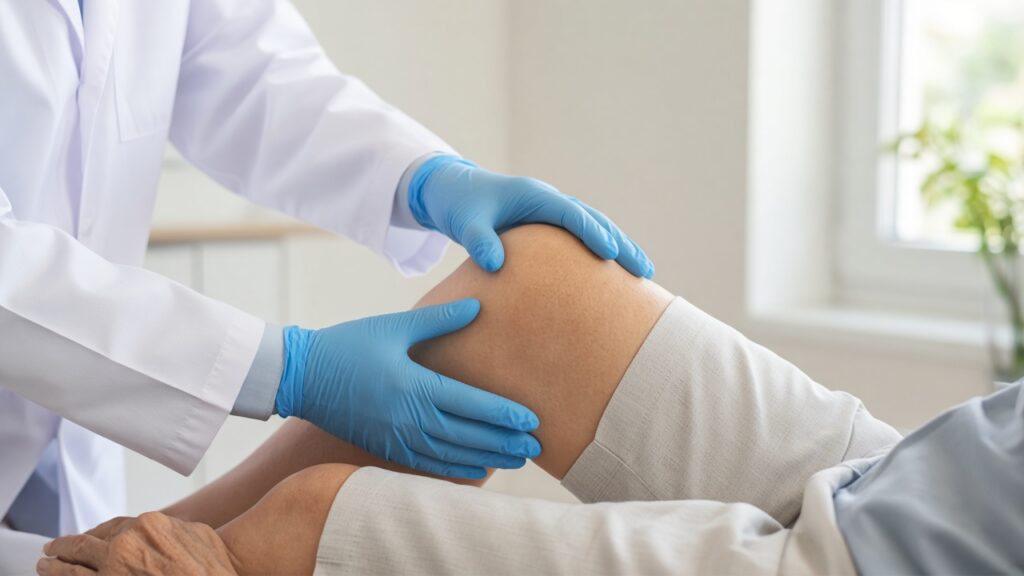
Keep this in mind:
- This topic is a pattern to map—not a label to panic over alone.
- Sleep, stress load, food, and recovery capacity often sit in the same story.
- Red-flag symptoms need urgent care, not a wait-and-see blog tip.
- Track what changed before symptoms stepped up.
- At Innovative Health & Wellness Group in Dallas, we start with your timeline and goals.
By Erin Van Veldhuizen · Published November 12, 2026 · Medically reviewed
What does The Struggle with Knee Arthritis mean for your care?
Living with knee arthritis can be incredibly challenging. The constant pain, swelling, and stiffness can overwhelm everyday tasks. From getting out of bed in the morning to playing with your kids or even taking a simple walk, knee pain caused by arthritis can significantly impact your quality of life. If you are tired of dealing with the limitations brought on by arthritis, you are not alone.
PRP for Arthritic Kneesoffers a promising solution.
Millions suffer from this condition, and they are looking for effective and lasting solutions.
While traditional treatments like anti-inflammatory medications, physical therapy, and surgery are common, they do not always provide the long-term relief that patients hope for. However, a new treatment called
PRP for Arthritic Kneesis making a significant difference. This innovative therapy uses the body’s natural healing power to target the pain and damage caused by arthritis.
What does Understanding Knee Arthritis: The Basics mean for your care?
Before diving into
Platelet-Rich Plasmatherapy, it is essential to understand what knee arthritis is and why it causes so much discomfort. Arthritis is a general term for conditions that cause inflammation in the joints. The knee is particularly vulnerable because it is a weight-bearing joint that supports your body with every step.
What does Types of Knee Arthritis mean for your care?
There are many different kinds of knee arthritis, but the most common ones are:
- Osteoarthritis (OA):
The most frequently diagnosed form of knee arthritis,
osteoarthritis, is a degenerative condition in which the cartilage—the smooth tissue covering the ends of bones —gradually wears away. This causes the bones to rub against each other, which hurts, swells, and stiffens the joint. Osteoarthritis is often linked to aging, repetitive stress on the knee, previous injuries, or being overweight. While PRP therapy may not completely reverse the damage, it can help
inhibit inflammation and slow down the progression of osteoarthritis, leading to improved joint function and reduced pain.
- Rheumatoid Arthritis (RA):
RA is a disease where the body attacks itself. It damages the joints, making them swollen and painful. If not treated, RA can lead to cartilage damage and deformities in the knee. Unlike
knee osteoarthritis, RA often affects both knees at the same time.
- Post-Traumatic Arthritis:
This kind of arthritis starts after a knee injury. Even if the injury heals, it can cause long-term changes in the knee joint that eventually lead to arthritis. It is not uncommon for injuries like fractures or ligament tears to trigger this type of arthritis years later.
Knee arthritis can be a source of constant pain, making simple activities feel exhausting.
Platelet Rich Plasma for Arthritic Kneescan help, offering a less invasive and effective option for joint pain patients.
What is PRP Therapy for Arthritic Knees?
PRP for arthritis in the kneesis Platelet-Rich Plasma therapy, a form of regenerative medicine that uses the body’s natural resources to heal damaged tissues. This treatment involves drawing a small blood sample, concentrating the platelets in the blood using a centrifuge, and injecting the platelet-rich plasma directly into the knee joint.
Platelets are a type of blood cell known for their role in clotting blood. However, they also contain proteins known as
growth factorsthat can help repair damaged tissues. PRP therapy uses these growth factors to encourage healing in the arthritic knee.
The basic steps of
PRP for arthritic kneesinclude:
- Blood Draw:
A little bit of blood is taken from your arm, like a regular blood test.
- Centrifugation:
The blood is put in a machine that spins it around quickly. This separates the platelets from the other parts of the blood, making a special kind of plasma.
- Injection:
The plasma is injected directly into the knee joint.
How Does Plasma Therapy for Arthritic Knees Work?
PRP therapy is not just about masking the pain—it is about healing the joint from within. Here is a closer look at how
PRP for Arthritic Kneesworks:
- Reducing Inflammation
A benefit of PRP therapy is that it can help reduce swelling. Inflammation is the body’s response to injury or damage. However, in arthritis, this response becomes chronic and leads to constant pain and swelling. When PRP treatment is injected, it delivers anti-inflammatory proteins that help calm the inflamed tissues in the knee. This reduction in inflammation can make a significant difference in pain levels and mobility.
- Stimulating Cartilage Repair
Cartilage damage is a significant factor in knee arthritis. Cartilage, unlike other body parts, does not heal easily. However, Platelet
Rich Plasma Treatmentcontains growth factors like
platelet-derived growth factor (PDGF)and
transforming growth factor-beta (TGF-β)that can stimulate the production of new cartilage cells. Over time, this can lead to the repair and regeneration of damaged cartilage, improving the function and structure of the knee.
- Accelerating Healing
The growth factors in PRP treatment not only help repair tissues but also accelerate the overall healing process. PRP treatment promotes the formation of new blood vessels, improves blood flow to the affected area, and supports the body’s natural healing response. This means
PRP for Arthritic Kneescan provide faster relief than traditional treatments.
- Pain Reduction and Improved Mobility
As inflammation decreases and cartilage begins to repair, many patients experience a significant reduction in pain. This can lead to improved mobility and a more remarkable ability to perform everyday activities without discomfort. Whether climbing stairs, walking, or enjoying hobbies you once loved, PRP therapy can make a noticeable difference.
Who Can Benefit from PRP for Arthritic Knees?
PRP therapy is suitable for a broad range of individuals, but certain patients may benefit more than others. You may be a good candidate for
PRP for Arthritic Kneesif you:
Have
mild to moderate arthritisand are looking for a treatment that addresses the root cause of the pain.
Are
activeand want to maintain your lifestyle without the limitations of knee pain.
Prefer to
avoid surgeryand are interested in a non-invasive treatment.
Have tried other therapies like physical therapy, medications, or steroid injections but did not find long-lasting relief.
What does The PRP Therapy Procedure: A Step-by-Step Guide mean for your care?
If you are considering
PRP for Arthritic Knees, knowing what the procedure involves is helpful. Here is what will happen before, during, and after your treatment:
What does Before the Procedure mean for your care?
Before starting PRP therapy, your health provider will evaluate your medical history and the severity of your arthritis. This may include a physical examination, imaging tests like X-rays or an MRI, and discussing your symptoms and lifestyle. To prepare for the procedure:
You might be asked to
stop taking anti-inflammatory medicationslike ibuprofen a few days before the treatment, as they can interfere with the healing process.
Drink lots of water and have a small bite to eat before your appointment.
What does During the Procedure mean for your care?
- Blood Sample Collection:
The process begins with drawing a small blood sample from your arm.
- Centrifugation:
The sample is placed in a centrifuge to separate the platelets from the rest of the blood, resulting in a rich concentration of growth factors.
- Injection:
The special
plasma treatmentis then put directly into the knee. Some health providers use ultrasound guidance to ensure the
PRP treatmentgoes precisely where needed.
The whole procedure typically takes 30 to 60 minutes and is minimally uncomfortable. A numbing medicine might be used to make the area less painful during the injection.
What does After the Procedure mean for your care?
After the injection, most people move and have minimal restrictions. Mild swelling, bruising, or stiffness around the knee is common, but this typically goes away within a few days. Here are some steps to follow after your treatment:
- Rest:
It is recommended to rest the knee for at least 24 to 48 hours.
- Avoid strenuous activity:
Limit heavy physical activity for the first week. Gentle exercises like walking are usually fine.
- Follow-up appointments:
Your health provider might want to see you again to check on your progress and see if you need more
PRP injections.
What are the Benefits of PRP for Arthritic Knees Compared to Other Treatments?
There are many treatment options for knee arthritis, but
PRP for Arthritic Kneesoffers several advantages that make it a preferred choice for many patients:
- Non-Surgical and Minimally Invasive
PRP therapy involves only a simple injection, making it much less invasive than surgical options like knee replacement. This means shorter recovery times, fewer risks, and no need for hospitalization.
- Natural Healing
Unlike medications that only relieve temporary pain,
PRP treatmentuses the body’s natural healing power to repair damaged tissues. This reduces the need for long-term drug use and minimizes the risk of side effects.
- Long-Lasting Relief
Many patients report that the effects of
PRP for Arthritis Kneeslast much longer than traditional treatments like steroid injections. Depending on the severity of the condition and individual response to the therapy, the benefits can last from several months to a few years.
- Enhances Quality of Life
By reducing pain and improving joint function, PRP therapy can have a profound impact on daily life. Many patients find they can return to activities they enjoy like walking, hiking, and sports, without the limitations of knee pain.
What does Common Questions About PRP for Arthritic Knees mean for your care?
If you are considering PRP therapy, you probably have a few questions. Here are a few common types:
Is PRP Therapy Painful?PRP therapy is generally well-tolerated. While the injection itself might cause a slight sting or pressure, the use of a local anesthetic can make the process more comfortable. Any discomfort is usually small and goes away quickly.
Results from PRP therapy are not immediate. Some people notice relief within a few weeks, while others may take a few months to experience the full benefits. PRP treatment promotes healing, and the body needs time to respond.
The number of
kneeinjections needed can vary based on the severity of the arthritis. In most cases, 2 to 3 PRP injections are recommended, spaced several weeks apart. Some patients may only need a single treatment, while others benefit from periodic injections.
PRP therapy is considered safe since it uses your own blood, reducing the risk of allergic reactions or infections. Some people may experience mild soreness, swelling, or bruising at the injection site, but these symptoms are temporary and typically resolve on their own.
Patients may feel mild stiffness or swelling immediately after the injection, but this should subside within a few days. It is common to notice gradual improvements over weeks or months as the knee heals.
What does PRP Therapy vs. Other Knee Arthritis Treatments: A Detailed Comparison mean for your care?
To help you understand why
PRP Treatment for Kneeis gaining popularity, let’s compare it to other common treatments:
Corticosteroid InjectionsCorticosteroid injections are often used to provide quick pain relief by reducing inflammation in the knee. While effective in the short term, they do not promote long-term healing and can weaken tissues with repeated use.
PRP for Arthritic Knees:Unlike steroids, PRP treatment encourages healing and tissue regeneration, offering longer-lasting relief.
Hyaluronic Acid InjectionsHyaluronic acid lubricates the joint, making movement smoother. These injections can temporarily ease pain but do not directly address cartilage damage or inflammation. While
PRP injection for knee cartilagecan help address these issues, it is important to consult with a healthcare provider to determine the best course of treatment.
PRP for Arthritic Knees:PRP treatment not only improves joint lubrication but also stimulates the repair of damaged tissues, addressing the root cause of pain.
Chiropractic and TherapyChiropractic care and modalities are an effective, non-invasive way to strengthen muscles around the knee, improve flexibility, and reduce pain.
PRP for Arthritic Knees:PRP treatment can be used alongside physical therapy to accelerate healing and enhance the overall outcome.
SurgeryKnee surgery, including knee replacement, is usually reserved for severe cases of arthritis when other treatments have failed. Surgery involves a significant recovery period, risks of complications, and higher costs.
PRP for Arthritic Knees:PRP treatment offers a less invasive option that can delay or even eliminate the need for surgery, with quicker recovery times and fewer risks.
What does Real-Life Success Stories: PRP for Arthritic Knees in Action mean for your care?
Hearing what other people went through can be very helpful. Here are a couple of real-life examples of how PRP therapy has helped patients regain their quality of life:
Case Study 1: Tim’s Return to GolfTim, a 58-year-old avid golfer, began to struggle with knee pain from osteoarthritis
patients. He was recommended PRP therapy, recognizing that
PRP is a safe and efficient therapeutic option for the treatment of knee osteoarthritis. After two PRP injections, Tim noticed a significant reduction in pain and improved mobility. Within three months, he was back on the golf course, enjoying the sport he thought he might have to give up. This case study highlights how PRP injection represents a valid conservative treatment for knee osteoarthritis. In fact,
PRP is commonly used as a conservative treatment option for mild to moderate knee OA.
Case Study 2: Sarah’s Journey to Pain-Free HikingSarah, a 63-year-old retired teacher, loved hiking but had to stop due to constant knee pain caused by arthritis. After traditional treatments didn’t help, she opted for PRP therapy. After three PRP sessions, she experienced a noticeable improvement and could return to her hiking trips pain-free.
What does The Future of PRP for Arthritic Knees and Regenerative Medicine mean for your care?
The future of
platelet-rich plasma as a form of regenerative medicinelooks bright. IHWG often offers stacked treatments combining PRP treatment with advanced treatments, like stem cell therapy, peptides, or other treatment modalities can enhance results. New technologies are making it easier to isolate and concentrate platelets more effectively, potentially improving outcomes.
As more studies are conducted, PRP treatment could become a standard treatment for various joint conditions, reducing the reliance on more invasive procedures. The trend toward natural healing and using the body’s resources aligns with a growing demand for treatments that offer long-term relief without harmful side effects.
Conclusion: Is PRP for Arthritic Knees Right for You?
PRP for Arthritic Knees is a promising and effective option for individuals looking for a natural, minimally invasive way to manage knee arthritis. By leveraging the body’s natural healing abilities, PRP treatment can provide relief from pain, improve mobility, and help you return to a more active lifestyle. Recent research, including findings from
PubMed, shows improvements in WOMAC
scores—a widely used measure for evaluating symptoms of
KOA(Knee Osteoarthritis)—indicating significant benefits at both the initial baseline and final assessments. These studies often use a standardized
DOI(Digital Object Identifier) for reference, and findings are published in reputable
journalsand indexed in databases like
Central. The
total WOMAC scoreand other
scoresused to measure pain and function consistently show positive outcomes with PRP treatment. A recent
metaanalysis involving PRP also highlighted how treatment effectiveness can be enhanced through customized protocols, including
ml(milliliter) adjustments for optimal platelet concentration. We offer various types of PRP and stacked therapy at IHWG.
If you are tired of living with constant knee pain, want to avoid surgery, and are looking for a treatment that promotes true healing, PRP treatment might be the solution you have been searching for. Numerous studies, including a recent
systematic reviewpublished on
Google Scholar, have demonstrated the effectiveness of Platelet-Rich Plasma in reducing pain and improving joint function.
What does Start Your Journey to a Pain-Free Life mean for your care?
Are you ready to explore how PRP for Arthritic Knees can change your life? At Innovative Health and Wellness Group, we are dedicated to helping patients find personalized solutions that meet their needs, including
PRP treatmentsoffered by our specialized PRP group. Do not let knee arthritis limit your life—schedule a consultation today and take the first step towards a pain-free future.
RELATED BLOG:What does a practical next step look like?
Bring a timeline, prior labs if you have them, and your top three goals. That preparation turns a vague worry about prp arthritic knees into a staged plan you can follow.
How can we help in Dallas?
If prp arthritic knees is shaping your days, we can help sort next steps with a visit focused on your timeline and goals. Book an appointment in Dallas, or call (469) 746-4662. We are at 4001 McEwen Rd #100, Monday through Friday, 8 a.m. to 6 p.m.
Summary at a glance
| Piece | What it often means | Next step |
|---|---|---|
| Symptoms stepped up | Load exceeded capacity | Write the start date |
| Sleep or stress shift | Common amplifier | Stabilize basics first |
| Partial response to one fix | Driver incomplete | Widen the map |
| No measurable goals | Hard to judge progress | Pick 3 weekly scores |
| Emergency signs | Not a lifestyle experiment | Urgent care / ER |
In summary
PRP for Arthritic Knees: Your Path to Pain-Free Mobility with Knee Platelet-Rich Plasma Treatment is clearer when you separate urgent signs from day-to-day drivers you can actually change.
In Dallas, we build a staged plan from your history—not a one-size protocol.
Common questions
Straight answers to common questions.
01 What does this topic mean in plain language? +
People often search prp arthritic knees when days get harder. The useful work is mapping drivers, not collecting random tips.
02 What usually makes symptoms feel worse? +
Sleep debt, stress spikes, inconsistent meals, deconditioning, and unresolved medical issues are common amplifiers. Your timeline decides which ones matter.
03 How do you measure improvement? +
By function: steadier energy, fewer flares, better sleep, and activity tolerance over weeks—not one perfect day.
04 Should I start supplements from social media first? +
Usually no. Random stacks can muddy labs and delay indicated care. Get a plan with stop rules.
05 What should I bring to a visit? +
A symptom timeline, meds/supplements list, prior labs, and your top three goals on one page.
06 When is it an emergency? +
Chest pain, severe breathing trouble, fainting, confusion, one-sided weakness, or the worst headache of your life needs emergency care.
07 Where can I get help for prp for arthritic knees: your path to pa in Dallas? +
Innovative Health & Wellness Group is at 4001 McEwen Rd #100, Dallas, TX 75244. Book online, call (469) 746-4662 weekdays 8 a.m.–6 p.m., or use the contact page.
Ready for a clearer plan in Dallas?
Bring a short timeline and what you have already tried.
A Practical Next Step
Bring a short timeline of symptoms and what you have already tried.
Book an appointment, or call (469) 746-4662.
Medical disclaimer: This article is for education. It is not a diagnosis or a treatment plan. It does not replace care from your own provider. Seek urgent care for severe, sudden, or rapidly worsening symptoms.
About the author
Dr. Erin Van Veldhuizen is a family nurse practitioner and doctor of chiropractic focused on environmental, integrative, regenerative, and functional medicine. She holds diplomates in functional neurology and clinical nutrition, with added training in women’s health, thermography, and gluten-related care. She founded Innovative Health and Wellness Group in Dallas to find root causes, not only to quiet symptoms.
Sources
- NIH / CDC patient education resources relevant to this topic.
- Peer-reviewed clinical summaries used for educational context.