A clear look at mycotoxins and what to do next in Dallas.
Keep this in mind:
- This topic is a pattern to map—not a label to panic over alone.
- Sleep, stress load, food, and recovery capacity often sit in the same story.
- Red-flag symptoms need urgent care, not a wait-and-see blog tip.
- Track what changed before symptoms stepped up.
- At Innovative Health & Wellness Group in Dallas, we start with your timeline and goals.
By Erin Van Veldhuizen · Published November 12, 2026 · Medically reviewed
What is Mycotoxin?
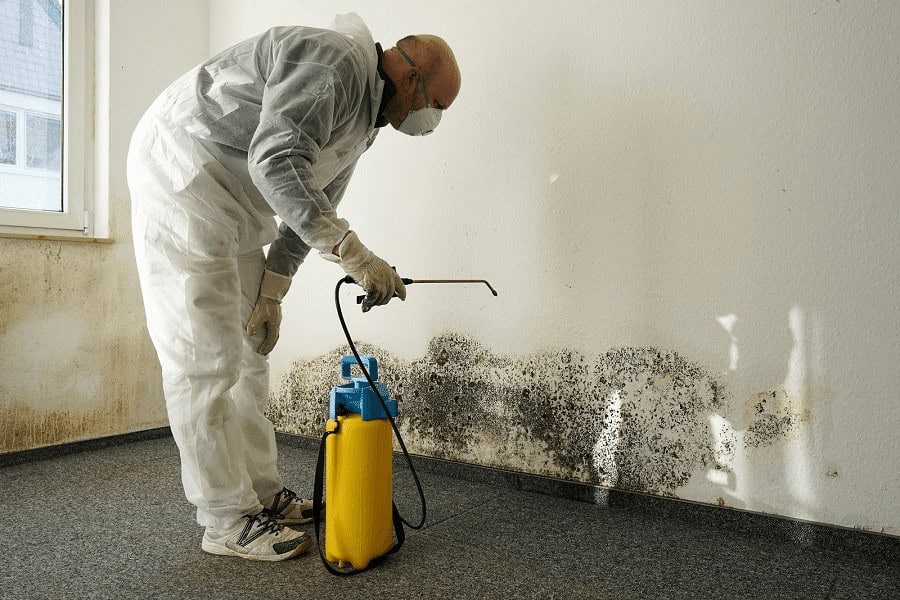
What does Introduction to Mycotoxin mean for your care?
Myco-toxins are naturally occurring toxins produced by molds under certain conditions. They can develop in various agricultural commodities, including grains, nuts, spices, and dried fruits. Mycotoxin contamination is a global concern due to its adverse effects on human and animal health.What does Types of Mycotoxins mean for your care?
Aflatoxins
Aflatoxins are potent carcinogens primarily produced by Aspergillus fungi. They are commonly found in peanuts, corn, cottonseed, and tree nuts.Ochratoxin
Ochratoxin is a nephrotoxic myco-toxin produced by Aspergillus and Penicillium species. It contaminates cereals, coffee, wine, and dried fruits.Fumonisins
Fumonisins are associated with various health problems, including cancer and neural tube defects. They are commonly found in corn and corn-based products.Deoxynivalenol
Deoxynivalenol, also known as vomitoxin, is a mycotoxin produced by Fusarium molds. It contaminates wheat, barley, and other cereal grains.Zearalenone
Zearalenone is a myco-toxin with estrogenic properties, posing reproductive risks to animals and humans. It is found in grains such as corn, wheat, and barley.What does Sources of Contamination mean for your care?
It can enter the food chain through various pathways, including pre-harvest contamination, improper storage, and processing conditions. Poor agricultural practices, inadequate drying, and moisture levels contribute to fungal growth and mycotoxin production.What does Health Effects mean for your care?
Exposure to mycotoxins can lead to acute and chronic health effects, including liver damage, kidney toxicity, immune suppression, and developmental abnormalities. Prolonged consumption of contaminated food can increase the risk of cancer and other chronic diseases.What does Detection and Prevention mean for your care?
Testing methods
In the realm of food and feed safety, a multitude of analytical techniques, including chromatography and immunoassays, play a crucial role in detecting mycotoxins. These methods are instrumental in scrutinizing samples for potential contamination, ensuring the quality and safety of consumable products. Among these analytical tools, rapid screening methods stand out for their ability to swiftly identify tainted items, facilitating timely interventions to mitigate risks associated with the presence in the food and feed supply chain. Through the application of these diverse analytical approaches, the industry endeavors to uphold rigorous standards and safeguard the well-being of consumers.Strategies for minimizing exposure
Proper storage practices, including temperature control and moisture management, are essential for preventing contamination in food products. Implementing rigorous monitoring and quality control measures throughout the food supply chain is crucial for mitigating risks associated with mycotoxins. By ensuring optimal storage conditions and conducting regular inspections, producers and distributors can safeguard against the presence of these harmful substances, thus upholding food safety standards and protecting consumer health.Regulations and Guidelines
Governments and international organizations have set forth regulations and guidelines aimed at restricting mycotoxin levels in both food and feed. These standards serve a dual purpose: safeguarding public health and fostering smooth trade, all the while upholding safety protocols. Compliance with these regulations is essential to maintain the integrity of the food and feed supply chains, ensuring that products meet the necessary safety requirements for consumption and trade on a global scale.What does Innovative Approaches to Mycotoxin Management mean for your care?
Advances in technology have catalyzed the emergence of innovative solutions aimed at managing mycotoxins. Strategies such as employing biocontrol agents, utilizing enzymatic detoxification methods, and implementing genetic modification techniques hold considerable promise in mitigating contamination within agricultural crops. These approaches signify a proactive shift towards more efficient and sustainable practices in safeguarding food safety and security.What does Impact on Agriculture and Food Industry mean for your care?
Mycotoxin contamination presents substantial challenges for both the agriculture and food industries. It impacts crop yields, compromises product quality, and restricts market access. Producers bear the brunt of these consequences, experiencing financial setbacks and reputational harm as a result of regulatory violations and consumer apprehensions about safety.What does Public Awareness and Education mean for your care?
Raising awareness about mycotoxin risks is crucial for empowering consumers to make informed choices about the food they consume. Educational campaigns, labeling requirements, and food safety initiatives all contribute significantly to promoting awareness and prevention efforts. By providing consumers with the necessary information and tools, they can better understand the potential risks associated with food products and take appropriate precautions to safeguard their health. These proactive measures not only enhance consumer confidence but also contribute to overall public health and well-being.What does Future Directions and Research mean for your care?
The quest for safer food production methods and sustainable agriculture drives ongoing research into mycotoxin management. Collaborative efforts between academia, industry, and government agencies seek to address emerging challenges and develop innovative solutions.What does Expert Insights and Recommendations mean for your care?
Leading experts emphasize the importance of interdisciplinary collaboration, risk assessment, and knowledge sharing to tackle mycotoxin contamination effectively. Integrated approaches combining preventive measures, monitoring systems, and policy interventions are essential for ensuring food safety and public health.What does Conclusion mean for your care?
In conclusion, mycotoxin contamination presents substantial risks to both human and animal health, underscoring the urgency of implementing proactive measures to mitigate exposure and uphold food safety standards. A comprehensive approach involves gaining insights into the various sources of mycotoxins, understanding their potential health effects, utilizing effective detection methods, and adopting preventive strategies. Collaborative efforts among stakeholders are paramount in addressing this pervasive global challenge and safeguarding the integrity of the food supply chain. By fostering a collective understanding and commitment, we can work towards minimizing the impact of contamination, promoting public health, and ensuring the resilience of our food systems.What does a practical next step look like?
Bring a timeline, prior labs if you have them, and your top three goals. That preparation turns a vague worry about mycotoxins into a staged plan you can follow.
How can we help in Dallas?
If mycotoxins is shaping your days, we can help sort next steps with a visit focused on your timeline and goals. Book an appointment in Dallas, or call (214) 295-9671. We are at 4001 McEwen Rd #100, Monday through Friday, 8 a.m. to 6 p.m.
Summary at a glance
| Piece | What it often means | Next step |
|---|---|---|
| Symptoms stepped up | Load exceeded capacity | Write the start date |
| Sleep or stress shift | Common amplifier | Stabilize basics first |
| Partial response to one fix | Driver incomplete | Widen the map |
| No measurable goals | Hard to judge progress | Pick 3 weekly scores |
| Emergency signs | Not a lifestyle experiment | Urgent care / ER |
In summary
What are mycotoxins? How can I avoid them? is clearer when you separate urgent signs from day-to-day drivers you can actually change.
In Dallas, we build a staged plan from your history—not a one-size protocol.
Common questions
Straight answers to common questions.
01 What does this topic mean in plain language? +
People often search mycotoxins when days get harder. The useful work is mapping drivers, not collecting random tips.
02 What usually makes symptoms feel worse? +
Sleep debt, stress spikes, inconsistent meals, deconditioning, and unresolved medical issues are common amplifiers. Your timeline decides which ones matter.
03 How do you measure improvement? +
By function: steadier energy, fewer flares, better sleep, and activity tolerance over weeks—not one perfect day.
04 Should I start supplements from social media first? +
Usually no. Random stacks can muddy labs and delay indicated care. Get a plan with stop rules.
05 What should I bring to a visit? +
A symptom timeline, meds/supplements list, prior labs, and your top three goals on one page.
06 When is it an emergency? +
Chest pain, severe breathing trouble, fainting, confusion, one-sided weakness, or the worst headache of your life needs emergency care.
07 Where can I get help for what are mycotoxins? how can i avoid the in Dallas? +
Innovative Health & Wellness Group is at 4001 McEwen Rd #100, Dallas, TX 75244. Book online, call (214) 295-9671 weekdays 8 a.m.–6 p.m., or use the contact page.
Ready for a clearer plan in Dallas?
Bring a short timeline and what you have already tried.
A Practical Next Step
Bring a short timeline of symptoms and what you have already tried.
Book an appointment, or call (214) 295-9671.
Medical disclaimer: This article is for education. It is not a diagnosis or a treatment plan. It does not replace care from your own provider. Seek urgent care for severe, sudden, or rapidly worsening symptoms.
About the author
Dr. Erin Van Veldhuizen is a family nurse practitioner and doctor of chiropractic focused on environmental, integrative, regenerative, and functional medicine. She holds diplomates in functional neurology and clinical nutrition, with added training in women’s health, thermography, and gluten-related care. She founded Innovative Health and Wellness Group in Dallas to find root causes, not only to quiet symptoms.
Sources
- NIH / CDC patient education resources relevant to this topic.
- Peer-reviewed clinical summaries used for educational context.