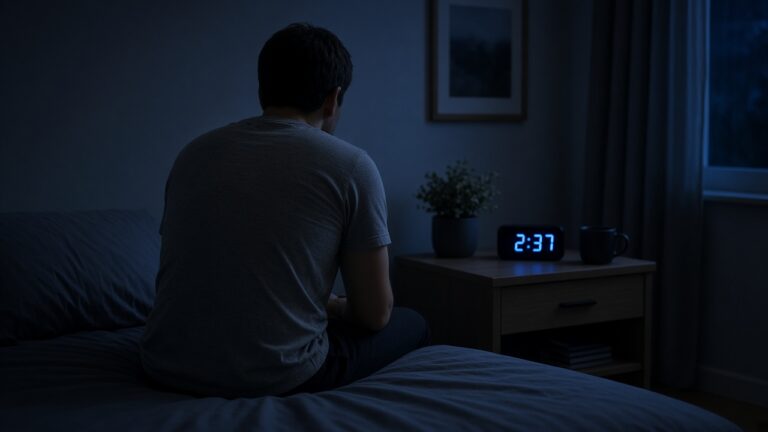
Most people think of mono as a one-time illness that heal from and never think about again. A few weeks of fatigue, sore throat, and swollen lymph nodes, followed by recovery. But for some, the story doesn’t end there.
The virus behind mono, the Epstein-Barr virus (EBV), doesn’t fully leave the body after the initial infection. Instead, it can remain in a dormant state and, under certain conditions, continue to influence how the body feels and functions.
For some individuals, this can become an underlying factor in ongoing, unexplained symptoms.
Keep this in mind:
- Mono “ending” on paper does not always match how the body feels.
- Epstein-Barr virus can stay latent and reactivate under stress or immune load.
- Fatigue after EBV has many look-alikes—get a proper workup when symptoms linger.
- Pacing, sleep, and nervous-system load often decide whether days stay usable.
- Dallas care can support recovery capacity through functional medicine beside primary medical guidance.
By Erin Van Veldhuizen · Published November 12, 2026 · Medically reviewed
Why can you feel unrecovered after mono?
After the initial infection, most people are told they’re better, and from a traditional standpoint, they are. But some continue to experience lingering effects that don’t fully resolve.
This can look like persistent fatigue, difficulty concentrating, reduced exercise tolerance, or feeling like your energy never quite returned to baseline.
It’s not that the body is still acutely sick. It’s that it may still be dealing with the aftermath — or low-level activity — of the virus.
How can Epstein-Barr virus stick around?
EBV is part of a family of viruses that can remain in the body long-term. After the initial infection, the immune system keeps it in check.
But that containment requires ongoing effort.
When the body is under increased stress (whether from poor sleep, chronic illness, emotional stress, or other infections) the immune system may become less efficient at keeping the virus quiet. This can lead to reactivation or increased immune signaling, even if it’s subtle.
Why are EBV-related symptoms hard to pin down?
One of the most frustrating aspects of lingering mono-related issues is how non-specific the symptoms can feel.
People often report:
Ongoing fatigue or low stamina
Brain fog or slower thinking
Headaches or general inflammation
Swollen or tender lymph nodes
Feeling worse after physical or mental exertion
Increased sensitivity to stress
These symptoms can come and go, making it difficult to connect them back to a past infection.
How are energy and immune load connected after EBV?
When the immune system is constantly managing something in the background, it can pull resources away from other functions.
This can affect energy production, recovery, and overall resilience. The body may shift into a more protective mode, conserving energy rather than performing at full capacity.
That’s why many people feel like they’re “running on low battery” long after mono is supposed to be over.
How do we help when Epstein-Barr virus lingers?
We don’t treat the virus directly, but we focus on supporting the systems that help the body manage it more effectively.
This may include improving sleep quality, supporting nervous system regulation, building energy gradually, and reducing overall stress load on the body. When the system has more reserve, it’s better able to keep dormant infections under control.
We also focus on consistency, helping the body rebuild tolerance to activity without triggering setbacks.
How do you move forward after lingering EBV symptoms?
Mono doesn’t always end when the acute illness resolves. For some, it becomes a piece of a larger puzzle, especially when symptoms linger without a clear explanation.
The goal isn’t to “fight harder,” but to help the body regain balance, improve resilience, and reduce the ongoing strain on the system.
When the body is supported in the right way, many people begin to notice more stable energy, clearer thinking, and a return to feeling like themselves again. Reach out to learn more.
What does smart pacing look like after EBV?
Smart pacing means staying under the crash threshold most days. If a workout or long social day costs you 48 hours of fog, that dose was too high—even if the activity looked “healthy” on paper.
Use a simple rule: end most days with 20–30% capacity left. Then add load in small weekly steps. For Epstein-Barr virus recoveries, that boring consistency beats dramatic restarts.
Which clues belong in your visit notes?
Write down sleep hours, afternoon crashes, sore-throat returns, swollen nodes, exercise payback, and stress spikes. Note any new medications or illnesses. Patterns across two weeks help more than a single dramatic bad day.
Also list what already failed: stimulants, random supplements, or “just push through” advice. That saves time and prevents repeating dead ends.
How can we help with lingering EBV load in Dallas?
If Epstein-Barr virus recovery still feels incomplete, we help sort recovery capacity, pacing, and contributing stressors beside your medical workup. Book an appointment in Dallas, or call (214) 295-9671. We are at 4001 McEwen Rd #100, Monday through Friday, 8 a.m. to 6 p.m.
Summary: lingering EBV patterns
| Piece | What it often means | Next step |
|---|---|---|
| Post-mono fatigue that sticks | Recovery capacity still low | Timeline + labs with clinician |
| Fog after ordinary stress | Immune + nervous-system load | Pace and sleep first |
| Sore throat / swollen nodes return | Possible reactivation or other cause | Medical recheck |
| Exercise crashes for days | Post-exertional cost | Graded return, not hero days |
| Sudden severe illness signs | Not “just EBV” until cleared | Urgent care / ER as needed |
In summary
Epstein-Barr virus is common; the harder chapter is when energy, immunity, and stress tolerance stay fragile after the acute phase.
A useful plan separates urgent medical issues from recovery-capacity work you can measure week by week in Dallas.
Epstein-Barr virus
Straight answers to common questions.
01 Can EBV cause problems after mono seems over? +
Yes for some people. Latent virus and immune load can contribute to lingering fatigue patterns, but other diagnoses must still be considered.
02 Is a positive EBV antibody proof of active disease? +
Not by itself. Antibody patterns need clinical interpretation. Many adults show past exposure.
03 Should I push through workouts to “get stronger”? +
If exertion costs you days of payback, pushing harder often backfires. Graded pacing is safer while you evaluate drivers.
04 What else can look like lingering EBV? +
Sleep apnea, anemia, thyroid issues, depression, autoimmune disease, other infections, and medication effects are common look-alikes.
05 How long until energy improves? +
Varies widely. Track weekly function rather than expecting a single switch-flip week.
06 When should I seek urgent care? +
Breathing trouble, chest pain, fainting, severe dehydration, or rapidly worsening neurologic symptoms need urgent evaluation.
07 Where can I get help for lingering Epstein-Barr symptoms in Dallas? +
Innovative Health & Wellness Group is at 4001 McEwen Rd #100, Dallas, TX 75244. Book online, call (214) 295-9671 on weekday clinic hours (Mon–Fri 8 a.m.–6 p.m.), or use the contact page.
Still depleted after mono in Dallas?
Bring prior EBV labs and a two-week energy log.
A Practical Next Step
Bring a short timeline of symptoms and what you have already tried.
Book an appointment, or call (214) 295-9671.
Medical disclaimer: This article is for education. It is not a diagnosis or a treatment plan. It does not replace care from your own provider. Seek urgent care for severe, sudden, or rapidly worsening symptoms.
About the author
Dr. Erin Van Veldhuizen is a family nurse practitioner and doctor of chiropractic focused on environmental, integrative, regenerative, and functional medicine. She holds diplomates in functional neurology and clinical nutrition, with added training in women’s health, thermography, and gluten-related care. She founded Innovative Health and Wellness Group in Dallas to find root causes, not only to quiet symptoms.
Sources
- CDC. “About Epstein-Barr Virus (EBV).” https://www.cdc.gov/epstein-barr/about/index.html
- Mayo Clinic. “Mononucleosis.” https://www.mayoclinic.org/diseases-conditions/mononucleosis/symptoms-causes/syc-20350305