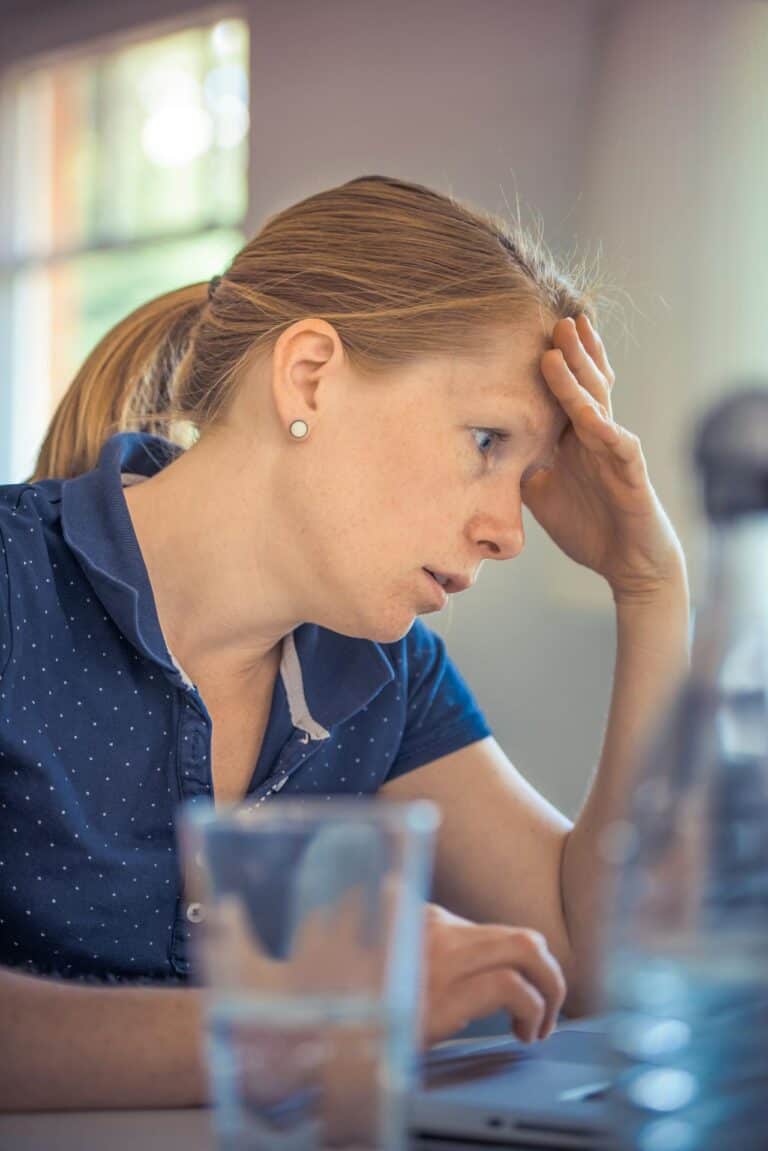
A clear look at genes helped recovery and what to do next in Dallas.
Keep this in mind:
- This topic is a pattern to map—not a label to panic over alone.
- Sleep, stress load, food, and recovery capacity often sit in the same story.
- Red-flag symptoms need urgent care, not a wait-and-see blog tip.
- Track what changed before symptoms stepped up.
- At Innovative Health & Wellness Group in Dallas, we start with your timeline and goals.
By Erin Van Veldhuizen · Published November 12, 2026 · Medically reviewed
What does Your Genes Helped Recovery From Head Injury mean for your care?

What does Introduction mean for your care?
Head injuries are a significant concern globally, with millions of people experiencing them each year. Whether it’s a mild concussion or a severe traumatic brain injury (TBI), the consequences can be profound, impacting cognitive function, physical abilities, and overall quality of life. While medical interventions and rehabilitation play crucial roles in recovery, recent research suggests that our genes also play a vital role in determining how effectively we bounce back from such injuries.What does Understanding Head Injuries mean for your care?
What does Types of Head Injuries mean for your care?
Head injuries encompass a range of trauma to the scalp, skull, or brain. These can include concussions, skull fractures, contusions, and TBIs.What does Common Causes mean for your care?
Head injuries can result from various incidents, including falls, motor vehicle accidents, sports injuries, and assaults.What does Severity Levels and Symptoms mean for your care?
Head injuries can vary in severity, with symptoms ranging from mild headaches and dizziness to loss of consciousness, memory problems, and cognitive impairments.What does Genetics and Recovery mean for your care?
Our genetic makeup plays a significant role in determining our susceptibility to injuries and how well we recover from them. Certain genetic variations can influence the body’s response to trauma and its ability to repair damaged tissues.What does Explanation of Genetic Predispositions mean for your care?
Some individuals may have genetic predispositions that make them more resilient to head injuries, while others may be more vulnerable due to genetic factors.How Genes Influence Recovery Processes?
Genes can impact various aspects of recovery, including inflammation control, neuroplasticity, and the efficiency of repair mechanisms.What does Research Findings on Genetic Factors Affecting Recovery mean for your care?
Studies have identified specific genes and genetic pathways that are associated with improved recovery outcomes following head injuries.What is the role of DNA Repair?
What does Overview of DNA Repair Mechanisms mean for your care?
DNA repair processes are essential for maintaining the integrity of our genetic material and ensuring proper cellular function.How DNA Repair Impacts Recovery from Head Injuries?
Efficient DNA repair mechanisms can facilitate faster recovery by minimizing cell damage and promoting tissue regeneration.What does Genetic Variations Affecting DNA Repair Efficiency mean for your care?
Certain genetic variations can affect the efficiency of DNA repair pathways, influencing an individual’s ability to recover from head injuries.What does Gene Expression and Recovery mean for your care?
What does Introduction to Gene Expression mean for your care?
Gene expression refers to the process by which information encoded in our genes is used to synthesize functional molecules such as proteins.How Gene Expression Affects Recovery Processes?
Changes in gene expression can influence various cellular processes involved in recovery, such as inflammation, synaptic plasticity, and neurogenesis.What does Examples of Genes Influencing Recovery Pathways mean for your care?
Genes involved in neurotrophic factors, antioxidant enzymes, and synaptic proteins have been implicated in regulating recovery processes following head injuries.What does Case Studies and Examples mean for your care?
Real-life examples highlight the importance of genetic factors in determining recovery outcomes. Individuals with certain genetic advantages may experience faster and more complete recovery compared to others.What does Environmental Factors mean for your care?
Genetics undoubtedly wield considerable influence, yet environmental factors are equally pivotal in shaping recovery trajectories. Amidst the intricate dance of healing, rehabilitation interventions, social support networks, and lifestyle decisions intertwine with genetic predispositions, sculpting the path toward recovery outcomes. These elements converge, each contributing its unique imprint upon the journey back to wellness, underscoring the multifaceted nature of the recovery process.What does Implications for Treatment mean for your care?
Personalized medicine has emerged as a promising approach in improving treatment outcomes for head injury patients by considering an individual’s genetic profile. By customizing treatment plans according to genetic information, healthcare providers can effectively optimize therapeutic interventions, thereby fostering enhanced patient recovery. This tailored approach acknowledges the unique genetic makeup of each patient, potentially leading to more precise and effective treatments that address specific needs and vulnerabilities associated with head injuries.What does Ethical Considerations mean for your care?
The utilization of genetic information in medical treatment introduces significant ethical concerns surrounding privacy, consent, and fair access to care. Healthcare professionals face the challenge of delicately navigating these issues to guarantee the responsible and ethical application of genetic testing and personalized therapies. It is imperative that they uphold strict standards to protect patient privacy, obtain informed consent, and ensure equitable distribution of these advanced medical interventions. By addressing these ethical considerations thoughtfully, healthcare providers can harness the potential of genetic information to enhance patient care while respecting individual rights and promoting social justice in healthcare delivery.What does The Future of Genetic Medicine mean for your care?
Advancements in genetic technologies and therapies hold promise for enhancing recovery outcomes among head injury patients. These innovations present new avenues for treatment, potentially revolutionizing the approach to rehabilitation. Yet, the realization of these benefits hinges on addressing various hurdles. Challenges encompass factors like affordability, availability, and ethical considerations. It’s imperative to navigate these obstacles effectively to unlock the full potential of genetic medicine in the context of head injury recovery. Only through concerted efforts to mitigate these challenges can the transformative impact of genetic technologies be fully realized, offering hope for improved outcomes and quality of life for those affected by head injuries.What does Conclusion mean for your care?
In conclusion, our genes play a crucial role in determining how effectively we recover from head injuries. Understanding the genetic factors that influence recovery processes can lead to more personalized and effective treatment approaches. By integrating genetic information into clinical practice, we can improve outcomes for individuals affected by head trauma and pave the way for the future of personalized medicine.What does a practical next step look like?
Bring a timeline, prior labs if you have them, and your top three goals. That preparation turns a vague worry about genes helped recovery into a staged plan you can follow.
How can we help in Dallas?
If genes helped recovery is shaping your days, we can help sort next steps with a visit focused on your timeline and goals. Book an appointment in Dallas, or call (214) 295-9671. We are at 4001 McEwen Rd #100, Monday through Friday, 8 a.m. to 6 p.m.
Summary at a glance
| Piece | What it often means | Next step |
|---|---|---|
| Symptoms stepped up | Load exceeded capacity | Write the start date |
| Sleep or stress shift | Common amplifier | Stabilize basics first |
| Partial response to one fix | Driver incomplete | Widen the map |
| No measurable goals | Hard to judge progress | Pick 3 weekly scores |
| Emergency signs | Not a lifestyle experiment | Urgent care / ER |
In summary
Your Genes Helped Recovery From Head Injury is clearer when you separate urgent signs from day-to-day drivers you can actually change.
In Dallas, we build a staged plan from your history—not a one-size protocol.
Common questions
Straight answers to common questions.
01 What does this topic mean in plain language? +
People often search genes helped recovery when days get harder. The useful work is mapping drivers, not collecting random tips.
02 What usually makes symptoms feel worse? +
Sleep debt, stress spikes, inconsistent meals, deconditioning, and unresolved medical issues are common amplifiers. Your timeline decides which ones matter.
03 How do you measure improvement? +
By function: steadier energy, fewer flares, better sleep, and activity tolerance over weeks—not one perfect day.
04 Should I start supplements from social media first? +
Usually no. Random stacks can muddy labs and delay indicated care. Get a plan with stop rules.
05 What should I bring to a visit? +
A symptom timeline, meds/supplements list, prior labs, and your top three goals on one page.
06 When is it an emergency? +
Chest pain, severe breathing trouble, fainting, confusion, one-sided weakness, or the worst headache of your life needs emergency care.
07 Where can I get help for your genes helped recovery from head inj in Dallas? +
Innovative Health & Wellness Group is at 4001 McEwen Rd #100, Dallas, TX 75244. Book online, call (214) 295-9671 weekdays 8 a.m.–6 p.m., or use the contact page.
Ready for a clearer plan in Dallas?
Bring a short timeline and what you have already tried.
A Practical Next Step
Bring a short timeline of symptoms and what you have already tried.
Book an appointment, or call (214) 295-9671.
Medical disclaimer: This article is for education. It is not a diagnosis or a treatment plan. It does not replace care from your own provider. Seek urgent care for severe, sudden, or rapidly worsening symptoms.
About the author
Dr. Erin Van Veldhuizen is a family nurse practitioner and doctor of chiropractic focused on environmental, integrative, regenerative, and functional medicine. She holds diplomates in functional neurology and clinical nutrition, with added training in women’s health, thermography, and gluten-related care. She founded Innovative Health and Wellness Group in Dallas to find root causes, not only to quiet symptoms.
Sources
- NIH / CDC patient education resources relevant to this topic.
- Peer-reviewed clinical summaries used for educational context.