



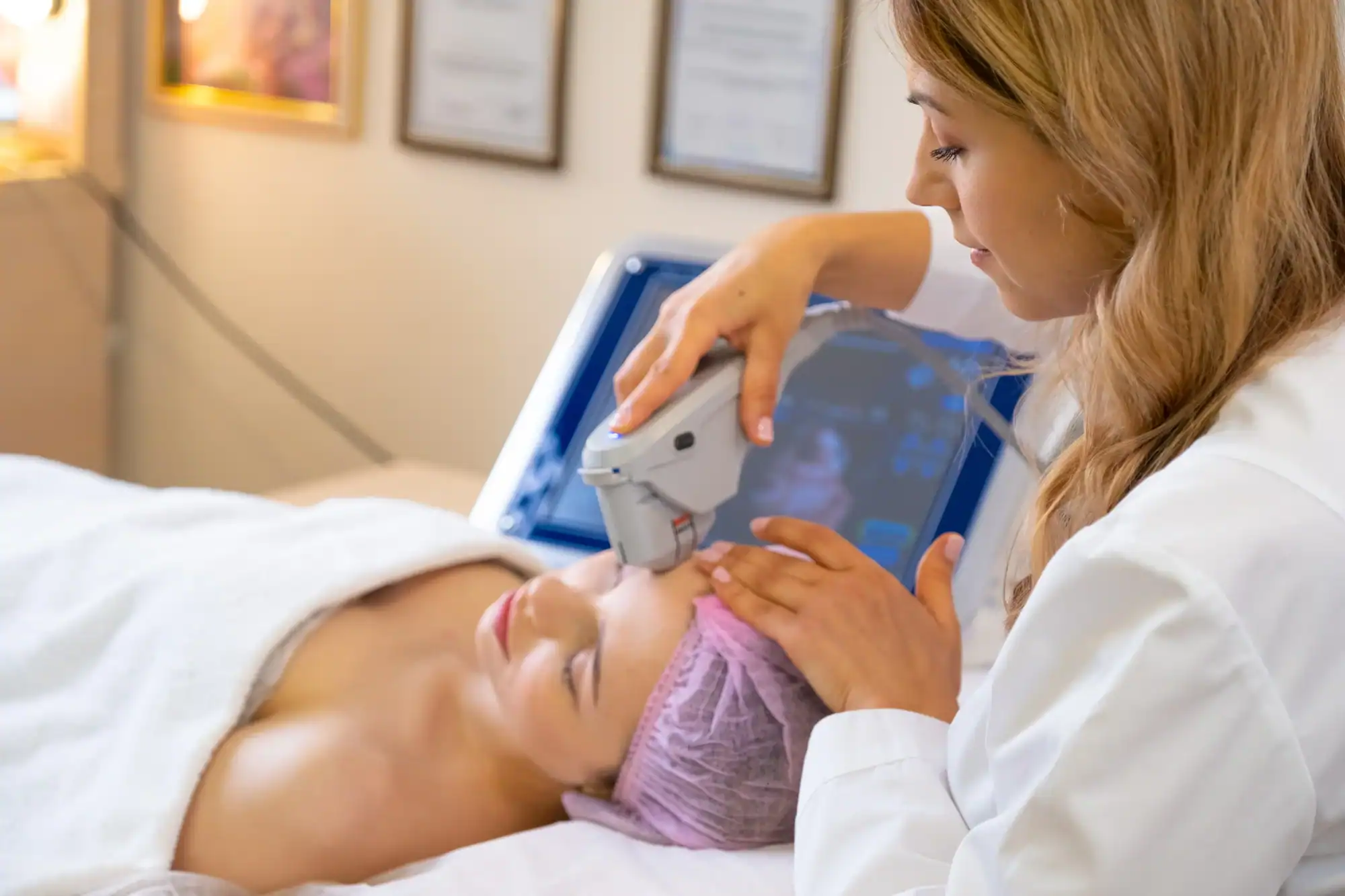
Understanding Infrared Therapy
Medical professionals at IHWG utilize infrared light therapy as an evidence-based intervention that harnesses specific wavelengths of light to support cellular healing and physiological function. Infrared light, particularly in the near-infrared spectrum (700-1000 nanometers), penetrates tissues more deeply than visible light and has been shown to influence cellular processes at the mitochondrial level.
Research has demonstrated that infrared light therapy can stimulate cellular energy production, reduce inflammation, and promote tissue repair through a process known as photobiomodulation. This non-invasive therapy has gained recognition for its ability to support healing without the side effects associated with pharmaceutical interventions.
Cellular and Mitochondrial Effects
Infrared light therapy works primarily through its interaction with cytochrome c oxidase, an enzyme in the mitochondrial respiratory chain. When this enzyme absorbs infrared light photons, it enhances the efficiency of cellular respiration. It helps your cells create more energy.
Studies have shown that infrared therapy can enhance mitochondrial function in tissues compromised by injury, inflammation, or age-related decline. This enhanced cellular energy production supports various healing processes, including protein synthesis, cellular repair mechanisms, and waste removal systems.
Anti-Inflammatory and Pain Relief Benefits
Studies have shown that infrared therapy can help reduce swelling. Studies demonstrate that infrared light can reduce pro-inflammatory cytokines while promoting the release of anti-inflammatory mediators. This dual action helps resolve chronic inflammatory conditions that underlie many health problems.
Pain relief is another proven benefit of infrared therapy. Research indicates that infrared light can reduce pain through multiple mechanisms, including improved circulation, decreased muscle tension, and modulation of nerve signal transmission. These effects have been observed in conditions ranging from arthritis to neuropathic pain.
Circulation and Wound Healing
Infrared therapy has been shown to improve circulation by promoting vasodilation and enhancing blood flow to treated areas. This increased circulation delivers more oxygen and nutrients to tissues while facilitating the removal of metabolic waste products that can impair healing.
Studies document accelerated wound healing with infrared therapy, showing improved collagen synthesis, faster tissue regeneration, and reduced healing times. These effects make infrared therapy valuable for both acute injuries and chronic wounds that have been slow to heal.
Synergistic Effects with Ozone Therapy
When combined with ozone therapy, infrared light appears to enhance the therapeutic effects of both modalities. Ozone therapy increases tissue oxygenation and possesses antimicrobial properties, while infrared light enhances cellular utilization of the increased oxygen availability.
Research suggests that this combination may be particularly effective because infrared therapy enhances mitochondrial function, just as ozone therapy increases oxygen availability to tissues. The improved cellular energy production from infrared therapy allows cells to utilize better the enhanced oxygenation provided by ozone.
Clinical Applications and Safety
IHWG medical professionals utilize infrared therapy for various conditions, including chronic pain, inflammatory disorders, wound healing support, and general wellness optimization. The therapy is generally well-tolerated, with minimal side effects when administered properly.
Treatment protocols typically involve specific wavelengths, power densities, and exposure times based on the condition being treated and individual patient factors. The non-invasive nature of infrared therapy makes it suitable for patients who may not tolerate other interventions well.
Current research continues to explore optimal protocols and combinations with other therapies to maximize therapeutic benefits while maintaining safety profiles that make infrared treatment accessible to a wide range of patients seeking natural healing approaches.
Frequently Asked Questions about Infrared Light Therapy
1. What is Infrared Light Therapy?
Infrared light therapy utilizes a specialized light to aid in your body’s natural healing process. This light can go deeper into your body than regular light, helping to fix cells and improve how your body works.
2. How does the therapy work?
The light helps your cells make more energy. It boosts a part of your cells called mitochondria. This gives your cells more energy, so they can heal and work better.
3. Can it help with pain and swelling?
Yes, studies show that infrared light therapy can help with pain and swelling. It achieves this by enhancing blood flow and relaxing tight muscles, which can be beneficial for conditions such as arthritis.
4. How does it help with healing?
Infrared light therapy improves blood flow, which brings more oxygen and nutrients to injured areas. This helps tissues and wounds heal faster and better.
5. Is Infrared Light Therapy safe?
Yes, this therapy is considered safe and has very few side effects when done correctly by a professional. The treatment is gentle and doesn’t involve any surgery or medicine, making it a good choice for many people.
Discover How Infrared Light Therapy Can Help You
Are you ready to discover how Infrared Light Therapy can help you? The team at Innovative Health and Wellness Group is here to help you. Our experts can answer your questions and help you decide if this gentle, non-invasive therapy is right for you.
We’ll work with you to create a plan that fits your health goals.
Ready to get started? Call Innovative Health and Wellness Group today to schedule your consultation and learn more about our services.