



Pain management is often treated like a single switch: turn the signal down and move on. For short injuries, that can be enough. For pain that keeps returning, masking the signal without understanding the drivers rarely holds. Integrative pain management looks at joints, soft tissue, nerves, inflammation, sleep, and daily load so relief has a better chance of lasting.
People searching for natural pain relief are rarely looking for slogans. They want options that do not leave them foggy, options that fit work and family life, and a plan that explains why the pain keeps coming back. This guide walks through that approach in practical terms.
Why pain returns after short-term fixes
Pain is a protective output from the nervous system. It is influenced by tissue irritation, movement patterns, stress chemistry, prior injuries, and how safe the brain feels during activity. A cream, pill, or rest day can lower the volume briefly. If the underlying load stays the same, the volume usually rises again.
That is why “I feel better for two days, then it snaps back” is such a common story. The temporary change was real. The system that produced the pain did not fully change. Integrative care tries to map those drivers instead of chasing only the loudest symptom of the week.
None of this means medication is wrong. Medications can be necessary and appropriate. The point is scope: if the only tool is suppression, progress stalls when side effects appear or when the dose stops working as well.
What integrative pain management looks like in practice
A useful first visit starts with timeline and triggers. When did the pain begin? Was there a clear injury, a slow build, or a flare after illness or stress? What positions, tasks, or times of day change it? What have you already tried, and what helped even a little?
Exam findings matter next: joint motion, muscle tone, nerve tension signs, balance and coordination clues, and how symptoms behave with specific movements. Imaging can help when indicated, but many persistent pain patterns are better explained by function than by a single scary-looking line on a report.
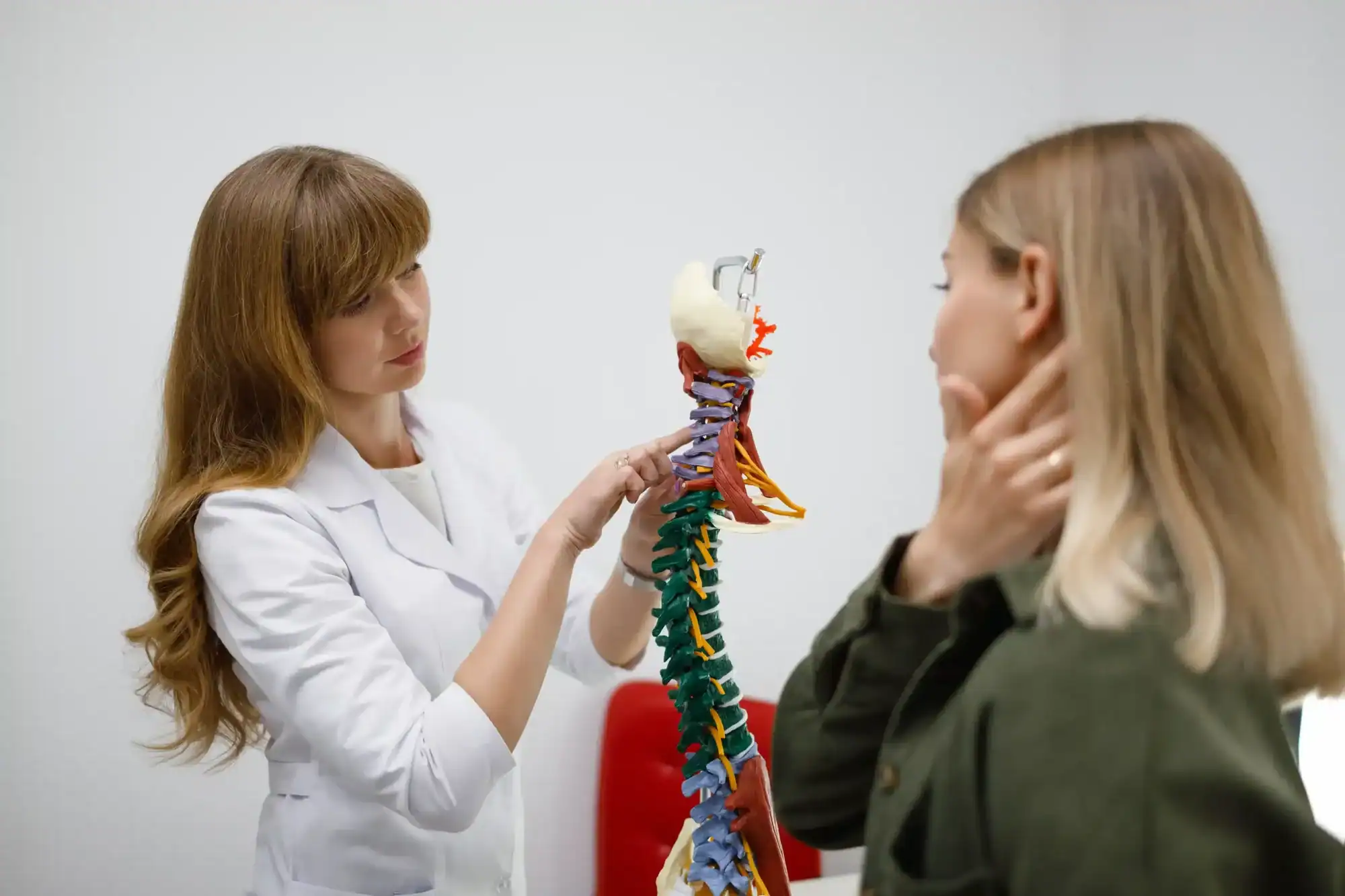
From there, care may combine hands-on therapy, graded movement, nervous-system calming strategies, and support for inflammation or recovery habits. Our chiropractic adjustments and musculoskeletal therapies are often part of that mix when joint and soft-tissue findings point that way.
Natural pain relief without magical thinking
Natural pain relief should still be specific. Heat, mobility work, sleep protection, anti-inflammatory meal patterns, and paced activity are ordinary tools with real physiology behind them. Herbs and supplements may help some people, but they are not automatically safer just because they are sold in a bottle with a leaf on the label.
Search data around our site often shows interest in natural painkillers, stretches, and anti-inflammatory supports. Those queries make sense. The risk is stacking random remedies without a diagnosis path. A better sequence is: identify likely drivers, try a focused set of changes, measure response, then adjust.
If pain includes chest pressure, sudden severe headache, unexplained weakness, bowel or bladder changes, or pain after significant trauma, seek urgent medical care. Integrative options are for appropriate, non-emergency presentations.
Nerves, inflammation, and “pain management” that ignores the brain
Some pain is primarily mechanical. Some is heavily neuropathic. Some is amplified by a nervous system that has stayed on high alert after months of guarding. Treating only the sore spot can miss that third category.
When dizziness, headaches, visual strain, or post-injury sensitivity travel with musculoskeletal pain, a broader neurological look can help. That is where functional neurology may enter the plan. Related condition pages such as neuropathy and migraines explain how those patterns are discussed in clinic.
Inflammation also links pain to recovery capacity. Poor sleep, ultra-processed defaults, blood sugar swings, and unresolved infections can keep tissues irritable. Supporting those foundations through functional medicine or functional nutrition is not a side quest. It is often the difference between temporary relief and steadier change.
A realistic week of self-management
Between visits, simple structure helps. Protect sleep as much as your schedule allows. Break long static postures every 30 to 45 minutes. Use short mobility sessions instead of occasional heroic workouts that flare everything. Keep protein and hydration steady so recovery has raw material.
Track three numbers for two weeks: morning stiffness, end-of-day pain, and how far you can walk or work before symptoms force a stop. Trends beat single good or bad days. Bring that log to follow-up so the plan can change based on evidence, not guesswork.
Avoid the all-or-nothing trap. One sore day does not erase progress. One perfect day does not mean you are cleared for every old habit at once. Graded exposure—doing a little more as tolerance grows—is usually safer than swinging between rest and overdoing.
When to escalate care
Escalate when pain is worsening week over week, when night pain is progressive, when you lose strength or coordination, or when home strategies stop helping. Also escalate when anxiety about pain starts shrinking your life more than the tissue findings alone would predict. Persistent guarding deserves a plan, not shame.
A coordinated clinic can decide whether you need more hands-on care, more rehab progression, labs, imaging referral, or a medical specialist. The value is having a map instead of collecting disconnected appointments.
Workplace pain deserves the same seriousness as sports injuries. Long desk hours, repetitive lifting, and irregular shifts all change tissue load and recovery time. A plan that ignores your job will fail as soon as you return to the same pattern. Bring photos of your workstation or a description of your heaviest tasks so recommendations match reality.
Athletes and active adults should also watch the “push through it” habit. Training through sharp joint pain or progressive nerve symptoms can convert a short setback into a long one. Modify first, then rebuild. Strength returns faster when irritation is controlled early.
If you want help building that map, call or text (469) 746-4662 or use the contact form to request a visit.
FAQs
What is integrative pain management?
It is a care style that combines musculoskeletal treatment, nervous-system considerations, recovery habits, and medical judgment when needed. The aim is to address drivers of pain, not only mute the signal for a few hours.
Can natural pain relief work for chronic pain?
It can help many people when the tools match the drivers—movement, sleep, inflammation, nerve sensitivity, and daily load. It is less effective when used as a random stack of remedies without assessment.
Do I need imaging before treatment?
Not always. History and exam often guide early care. Imaging is important for red flags, trauma, progressive neurological signs, or when the clinical picture is unclear. Your clinician should explain why a study is or is not needed.
Is pain always a sign of tissue damage?
No. Tissue issues can contribute, but the nervous system also amplifies or quiets signals based on stress, prior injury, and perceived threat. That is why two people with similar scans can feel very different levels of pain.
How quickly should I expect improvement?
Some mechanical patterns ease within a few visits. Longer-standing or multi-driver pain can take longer. You should still see a clear plan and measurable checkpoints early, even if full resolution is not immediate.